
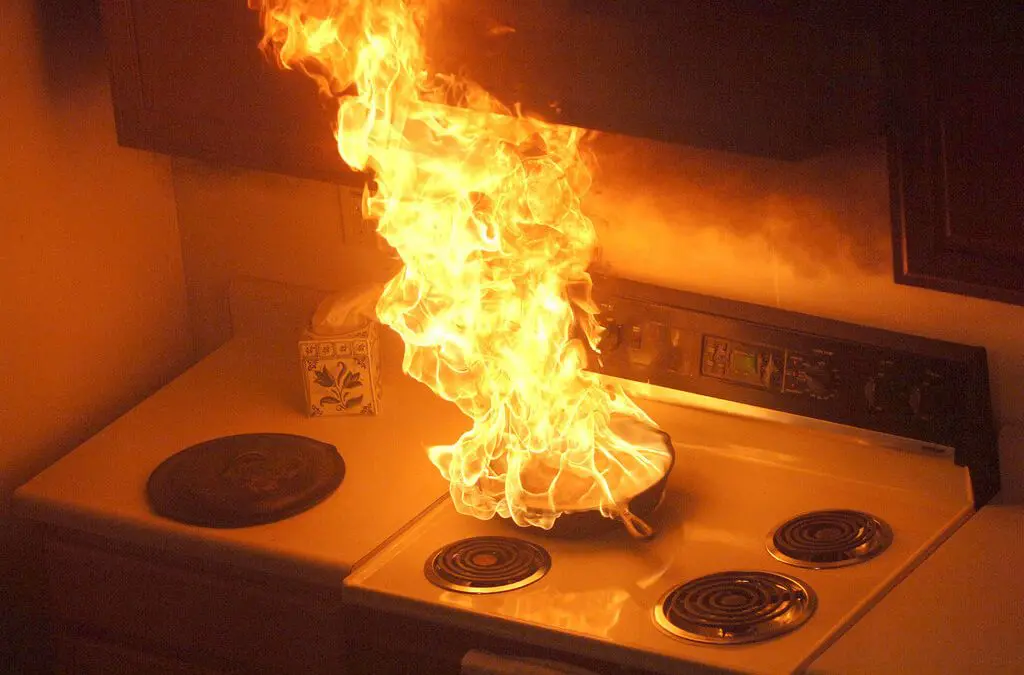
Fire safety is an ongoing practice that requires periodic attention to remain effective. The smoke detectors installed when the house was built need testing and eventual replacement. The fire extinguisher purchased years ago may be past its effective life. The escape plan established when the kids were young may not reflect the household’s current layout or occupants. Most homeowners establish fire safety measures at some point and then stop thinking about them. Keeping fire safety effective requires the same kind of periodic maintenance attention as any other home system.
The Fire Safety Systems That Need Regular Attention
Smoke detectors are the cornerstone of residential fire safety, and their effectiveness depends entirely on whether they’re functional, something that can’t be assumed without regular testing. A detector with a dead battery or one past its sensor lifespan provides zero warning regardless of how many units are installed. Testing smoke detectors monthly is the practice that catches failures before they matter. Beyond testing, replacing batteries annually ensures detection capacity isn’t compromised. Replacing units every ten years addresses sensor degradation that occurs in both ionization and photoelectric detectors, reducing sensitivity to the point where a detector may fail to activate in an actual fire. The manufacture date is printed inside every unit; replace anything more than ten years old regardless of whether it passes the monthly test.
Carbon monoxide detectors protect against a separate but equally serious fire safety threat, the colorless, odorless gas produced by malfunctioning fuel-burning appliances. CO detectors require the same monthly testing, annual battery replacement, and five to seven year unit replacement schedule as smoke detectors. Both types should be installed on every level and outside every sleeping area.
Fire Extinguishers and Fire Preparedness
A fire extinguisher is the fire safety tool that most homeowners own and few know how to use. Residential fire extinguishers should be inspected annually: confirm the pressure gauge needle is in the green zone, check that the pin and tamper seal are intact, ensure the nozzle is unobstructed, and confirm no visible damage or corrosion. An extinguisher that fails any of these checks should be recharged or replaced. Most fire extinguishers have a rated lifespan of five to fifteen years; check the manufacturer’s date and replace any unit past its service life.
Knowing how to use an extinguisher before a fire occurs is as important as having one. The PASS technique, Pull the pin, Aim at the base, Squeeze the handle, Sweep side to side, should be known by every adult in the household. Fire extinguishers are appropriate for small, contained fires; any fire that has grown beyond a single object warrants immediate evacuation and a 911 call.
Household Fire Safety Practices That Prevent Incidents
The most effective fire safety approach combines functional detection and suppression equipment with the consistent household practices that reduce ignition risk in the first place. Dryer lint trap cleaning after every load is a fire safety practice with documented impact; the U.S. Fire Administration attributes roughly 2,900 dryer fires annually to lint accumulation. Extending this to the full dryer vent duct, cleaned annually, eliminates the most common appliance-related fire pathway. Space heater management is the fire safety variable most overlooked during winter months. The three-foot clearance rule, nothing flammable within three feet of any heat source, applies equally to space heaters, fireplaces, and wood stoves. Space heaters should never run in an unoccupied room or while sleeping, and should plug directly into wall outlets rather than extension cords not rated for the load.
Candle safety tends to be underestimated. Never leaving a burning candle unattended, keeping candles away from curtains and flammable materials, and extinguishing all candles before sleeping address the majority of candle-related fire risk.
Frequently Asked Questions (FAQs)
How often should I test my smoke detectors for fire safety?
Monthly testing is the standard recommended by fire safety authorities, including the NFPA and USFA. The test button confirms the sounder is working but doesn’t test the sensing element, which is why monthly testing should be combined with sensor replacement every ten years.
What type of fire extinguisher is best for home fire safety?
An ABC-rated multipurpose dry chemical extinguisher handles the three most common residential fire classes: Class A ordinary combustibles, Class B flammable liquids, and Class C electrical fires. For the kitchen, a Class K extinguisher is designed specifically for cooking oil and grease fires. For most homes, one ABC-rated extinguisher per level mounted in an accessible location provides adequate coverage.
Where should smoke detectors be installed for optimal fire safety?
On every level of the home, in every sleeping room, and outside every sleeping area. A detector only in the hallway may not provide adequate warning before smoke concentrations in the bedroom reach dangerous levels. Mount on the ceiling or high on a wall and avoid placing detectors near cooking areas where normal activity will trigger frequent nuisance alarms.
How do I safely dispose of an old fire extinguisher?
A charged extinguisher should not go in household trash. Contact your local fire department; many accept old extinguishers for disposal. Some hardware stores and hazardous waste programs accept them as well. Empty extinguishers can typically be recycled as scrap metal after removing the head. Check with your local waste management provider for specific guidance.
What fire safety measures are most important in homes with young children?
Stove knob covers prevent unsupervised burner access. Matches and lighters should be stored locked and out of reach. Children old enough to participate should practice the escape plan. Teaching children to crawl low under smoke and to stop, drop, and roll are foundational fire safety skills worth practicing regularly.
Secure Home Inspections proudly serves property owners and buyers throughout Upstate NY. Schedule your commercial inspection with Secure Home Inspections today.