
When colder weather sets in, heating costs often rise faster than expected. For many homeowners, this seasonal increase may feel unavoidable, especially in older homes or properties with outdated systems. However, high costs are not simply the result of outdoor temperatures. They are usually caused by a combination of heat loss, inefficiencies, and everyday habits that gradually increase energy use. By understanding where heat is lost and how systems work together, homeowners can reduce heating costs while maintaining comfortable and consistent indoor spaces.
Understanding What Drives Heating Costs
Heating costs are influenced by how efficiently a home retains heat and how hard the heating system must work to replace lost warmth. Heat naturally moves from warm areas to cooler ones, meaning any weakness in the building envelope allows energy to escape. Poor insulation, air leaks, inefficient equipment, and inconsistent temperature control all contribute to higher costs. Even newer homes may experience unnecessary heat loss if construction details or maintenance issues are overlooked.
The Role of Insulation in Retaining Heat
Insulation plays a crucial role in managing heating costs by slowing the transfer of heat through walls, ceilings, and floors. Attics are one of the most important areas to address since rising heat can easily escape through the roof. When attic insulation is insufficient, heating systems must run longer to maintain comfortable temperatures below. Wall insulation helps stabilize indoor conditions, while basement and crawl space insulation prevent cold air from seeping upward into living areas. Together, these improvements reduce temperature fluctuations and make heating systems more efficient.
Air Sealing and Its Impact on Heating Costs
Air leaks often account for a surprising amount of heat loss and higher costs. Gaps around windows, doors, attic access points, plumbing penetrations, and electrical openings allow heated air to escape continuously. This uncontrolled airflow creates drafts and uneven temperatures, especially during windy conditions. Sealing these openings helps maintain indoor warmth and prevents the heating system from having to compensate for lost air. Air sealing also supports insulation performance by stopping heat from bypassing insulated areas.
Heating System Efficiency and Maintenance
Even a well-insulated, tightly sealed home could experience high heating costs if the heating system is not operating efficiently. Over time, normal wear and tear reduce system performance. Dirty filters restrict airflow, forcing equipment to work harder and consume more energy. Components that are out of calibration may lead to uneven heating or short cycling. Annual professional maintenance guarantees that heating systems operate as designed, improving efficiency, safety, and reliability while helping control costs.
Thermostat Strategy and Heating Costs
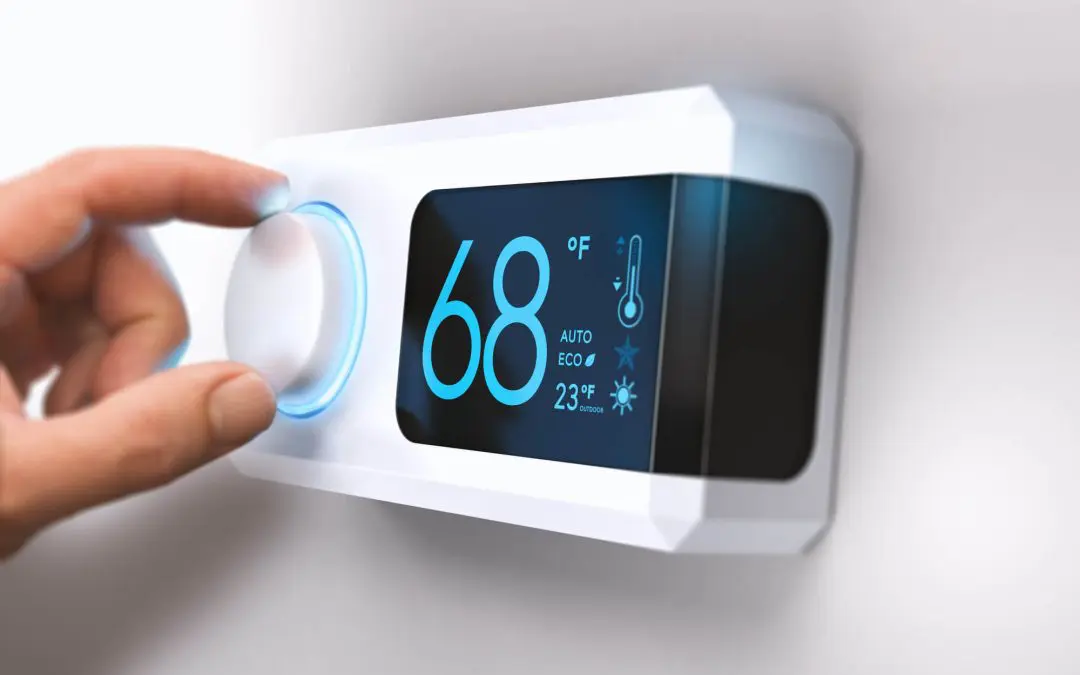
The way a thermostat is used has a direct and ongoing impact on heating costs. Maintaining higher temperatures than necessary increases energy demand, while frequent manual adjustments may lead to inefficiencies. Programmable and smart thermostats help regulate heating by adjusting temperatures automatically based on schedules or occupancy patterns. Lowering the temperature slightly during sleep or when the home is unoccupied can significantly reduce heating costs over the course of a season without affecting comfort.
Lifestyle Adjustments That Reduce Heating Costs
Daily habits play an important supporting role in controlling heating costs. Taking advantage of natural sunlight during the day helps warm interior spaces, reducing reliance on mechanical heating. Closing blinds or curtains at night minimizes heat loss through windows. Ceiling fans set to rotate clockwise at a low speed can redistribute warm air that collects near ceilings, improving comfort in living areas. These small adjustments enhance the effectiveness of insulation and heating systems.
Long-Term Improvements That Stabilize Heating Costs
For homeowners seeking to lower their heating costs over the long term, evaluating the overall energy efficiency of their home is beneficial. Upgrading older windows, improving duct sealing, and replacing aging heating equipment with high-efficiency models will lead to sustained savings. While these upgrades require investment, they often provide consistent returns through lower energy bills, increased comfort, and improved home value.
Reducing heating costs is not about compromising comfort. It is about improving how a home manages heat, supports efficient systems, and responds to daily use. With thoughtful improvements and informed choices, homeowners will enjoy a warm, comfortable home while keeping costs under control season after season.
Frequently Asked Questions (FAQs)
What typically causes heating costs to rise unexpectedly?
Unexpected increases are often caused by air leaks, insulation gaps, or declining heating system efficiency rather than colder weather alone.
Is insulation still helpful in newer homes?
Yes. Even newer homes may benefit from insulation improvements, particularly in attics and areas where heat loss is commonly found.
How often should heating systems be serviced?
Heating systems should be serviced annually to guarantee safe operation, optimal efficiency, and lower heating costs.
Do thermostat adjustments really make a difference?
Yes. Small, consistent temperature setbacks could lead to noticeable reductions in costs over time.
Do comfort improvements usually reduce costs?
In most cases, yes. Homes that retain heat better tend to have more consistent temperatures and lower energy demand.
Secure Home Inspections proudly serves property owners and buyers throughout Upstate NY. Schedule your commercial inspection with Secure Home Inspections today.